
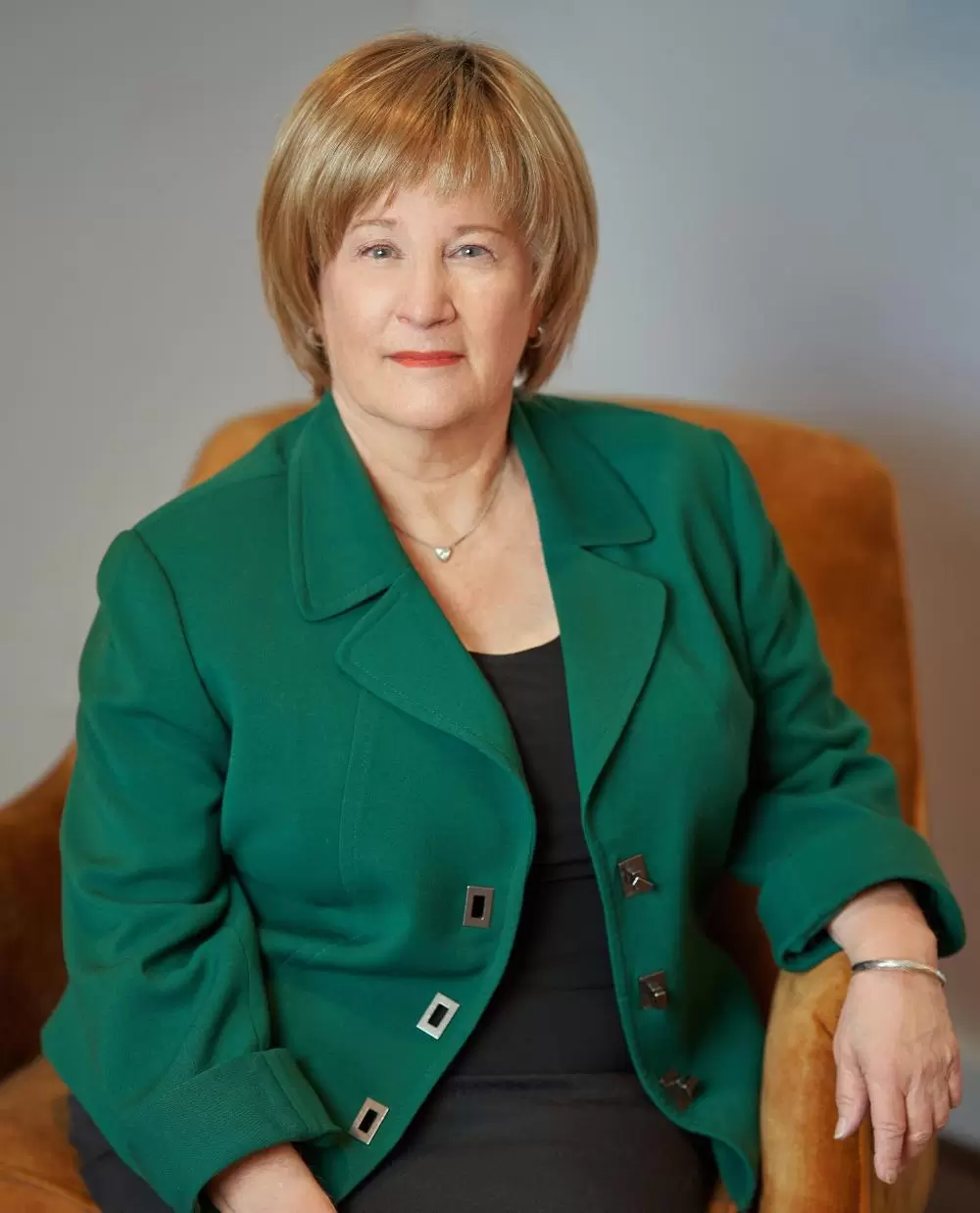
About the Neutral
Leslie W. LangbeinA practitioner's practitioner.
Florida Supreme Court Certified Mediator & Qualified Arbitrator. Member of the Florida Bar, Board Certified in Labor & Employment Law.
The Foundation
A career built on both sides of the dispute.
Leslie W. Langbein is a highly qualified ADR professional with a distinguished legal career. A member of the Florida Bar and Board Certified in Labor and Employment Law, she brings substantive grounding to every matter she touches.
Her legal career began as an Assistant City Attorney, and then Deputy City Attorney, for the City of Hollywood, Florida, where she specialized in public-sector labor law and routinely practiced before the Florida Public Employee Relations Commission. That early exposure to both the adversarial and negotiated sides of workplace dispute has shaped her approach to neutral practice ever since.
Why it matters
Leslie has sat in every seat at the table: as advocate, as counsel, as decision-maker. The perspective is the work.
A career with one through-line.
Hover any milestone to read the moment. The path traces how an advocate becomes a neutral.
B.A., University of Florida
J.D., Nova Southeastern · Admitted to The Florida Bar
Florida Supreme Court Certified Mediator & Qualified Arbitrator
American Arbitration Association, Labor Panel
Board Certified in Labor & Employment Law
Special Magistrate, Florida PERC
National Academy of Distinguished Neutrals
Chair, Florida Bar Labor & Employment Law Section
Federal Mediation & Conciliation Service, Labor Panel
National Mediation Board, Panel of Arbitrators
Langbein ADR Services, Nationwide
Practice as a Neutral
From advocate
to neutral.
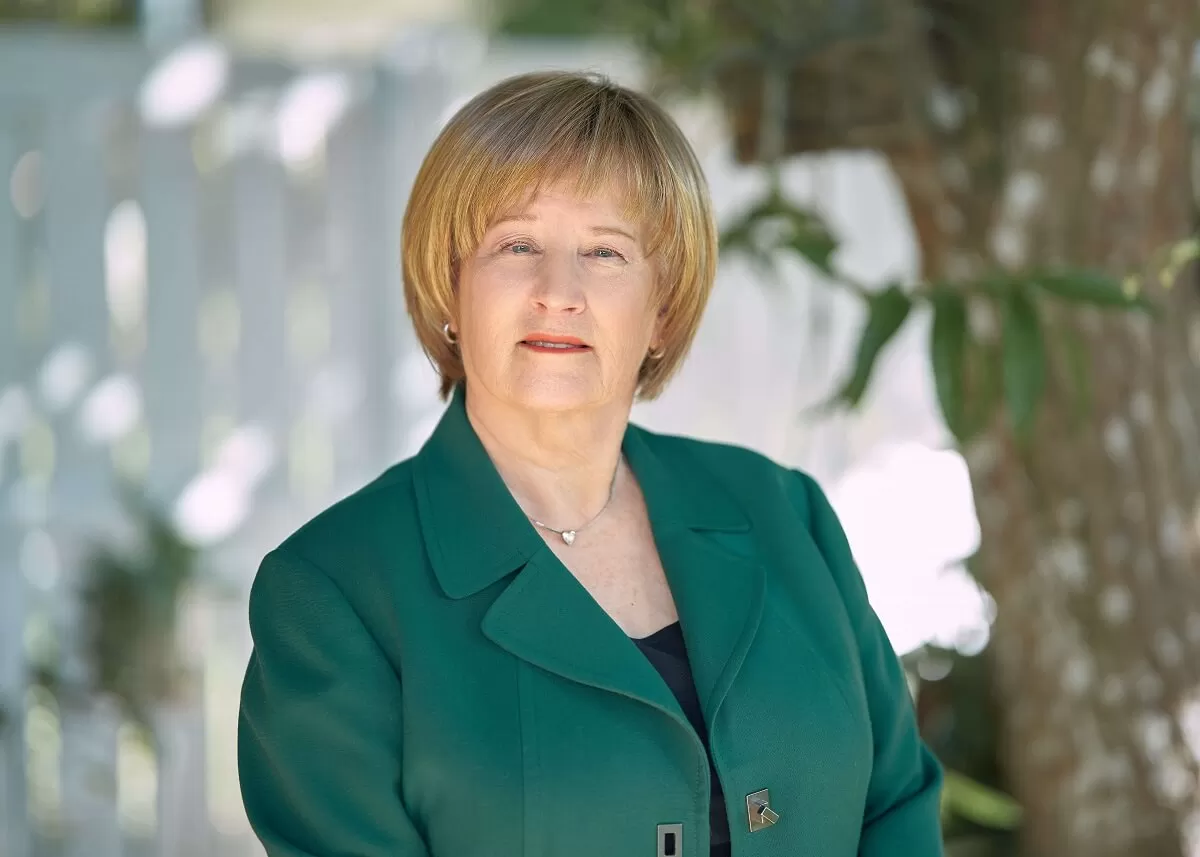
Ms. Langbein joined the Miami law firm of Valdes-Fauli, Cobb & Petrey and was assigned to serve as the General Counsel of Florida International University. After an extended engagement at the University, she joined her husband to form Langbein & Langbein, P.A.
From then on, Ms. Langbein represented clients in federal and state courts and administrative proceedings, focusing on Administrative, Employment, Fair Housing, Title III, ADA, and Commercial law.
During the same period, she appeared regularly before the Equal Employment Opportunity Commission, the U.S. Department of Labor, the U.S. Department of Housing and Urban Development, the Florida Commission on Human Relations, and local human rights agencies.
Substantive expertise is not optional. The cases that ADR resolves well are the same cases that litigation resolves slowly.
Her career as a neutral began when she became a Florida Supreme Court Certified Circuit/Civil Mediator and, at the same time, a Florida Supreme Court Qualified Arbitrator. She was later accepted onto the American Arbitration Association's national panel of Labor Arbitrators and simultaneously became an arbitrator for the State University System.
Ms. Langbein has served as a national trainer for AAA and has been a presenter at conferences and seminars. She holds appointment as a Special Magistrate by the Florida Public Employee Relations Commission. She was accepted into membership of the National Academy of Distinguished Neutrals, joined the labor panel of the Federal Mediation and Conciliation Service, and was placed on the National Mediation Board Panel of Arbitrators.
The full public record.
Education, bar admissions, panel appointments, and professional memberships, organized by category.
Recognition
Credentials that reflect earned trust.
Distinguished Neutral
Member, National Academy of Distinguished Neutrals.
Super Lawyers
Rated by Super Lawyers.
Board Certified
Labor & Employment Law, The Florida Bar.
Martindale-Hubbell
AV rated by Martindale-Hubbell.
Avvo Rating
Top Attorney rating of 10.0.
FAPM Director
Leslie serves as a Director of the Florida Academy of Professional Mediators.
Mediation Philosophy
“
Mediation is an opportunity for parties to test their positions before a neutral in a confidential setting, and honestly reflect on the probability of a successful outcome if the dispute is not settled.
Leslie W. Langbein
Ms. Langbein views the role of a mediator as one who assists parties in analyzing issues, possible outcomes, and settlement alternatives. Her mediation style tends to be active, helping parties surface and work through the real barriers to settlement, rather than simply shuttling offers.